
“Let’s explore some iconic locations around the world. Ready, Set, Go!”
History is an intricate tapestry woven into the landmarks that stand across the world. These sites are not just stones and structures—they are living reminders of our shared human past. Whether they’re built by ancient civilizations or more recent societies, these landmarks tell stories of empires, cultural transformations, and significant events that shaped the world. Here’s a guide to some of the most famous and fascinating historical landmarks across every continent.

1. North America: Independence Hall – Philadelphia, USA
Located in Philadelphia, Independence Hall is the birthplace of the United States of America. It was in this building that the Declaration of Independence was adopted on July 4, 1776, marking the birth of a nation. Later, the U.S. Constitution was debated and signed here in 1787.
Why Visit?
A visit to Independence Hall offers a profound connection to American history. Standing in the rooms where America’s founding documents were signed is an awe-inspiring experience for history enthusiasts.

2. South America: The Andes Mountains- Peru, Chile, Colombia, Argentina, Ecuador, Bolivia, Venezuela
Stretching across several countries in South America, the Andes are not only a natural wonder but also a significant cultural and historical region for indigenous peoples and ancient civilizations like the Incas.
Why Visit?
The mountains are rich in history and offer opportunities to explore ancient Inca sites, as well as stunning natural landscapes.

3. Europe: The Colosseum – Rome, Italy
The Colosseum in Rome is perhaps the most iconic historical landmark in Europe. Built around 70-80 AD, this amphitheater once hosted gladiatorial games, public spectacles, and mock sea battles. It stands as a testament to the architectural prowess of ancient Rome.
Why Visit?
Walking through the Colosseum is like stepping into the ancient world. The arena, where emperors once entertained thousands, still echoes the stories of its violent past. Visitors can imagine what it would have been like to be part of the grand spectacles held here.

4. Africa: The Pyramids of Giza – Cairo, Egypt
The Pyramids of Giza are the last remaining wonder of the ancient world. Built around 2560 BC, the Great Pyramid of Giza was originally a tomb for the Pharaoh Khufu. The site also includes the Sphinx, a lion-headed statue that has become synonymous with Egypt’s ancient past.
Why Visit?
Visiting the Pyramids is an unforgettable experience. Standing next to these colossal structures offers a sense of awe, as you ponder the incredible engineering features of the ancient Egyptians who built them using only primitive tools.

5. Asia: The Great Wall of China – Huairou District Beijing, China
Stretching over 13,000 miles, the Great Wall of China is one of the most impressive features of ancient engineering. Built to protect the northern borders of the Chinese Empire from invasions, the Wall dates back as far as the 7th century BC, though the most famous sections were constructed during the Ming Dynasty (1368-1644).
Why Visit?
Walking along the Great Wall is a step back in time. The views from the wall, as it swivels through mountains and deserts, are simply breathtaking. It’s a must-see for anyone interested in ancient architecture and China’s rich history.
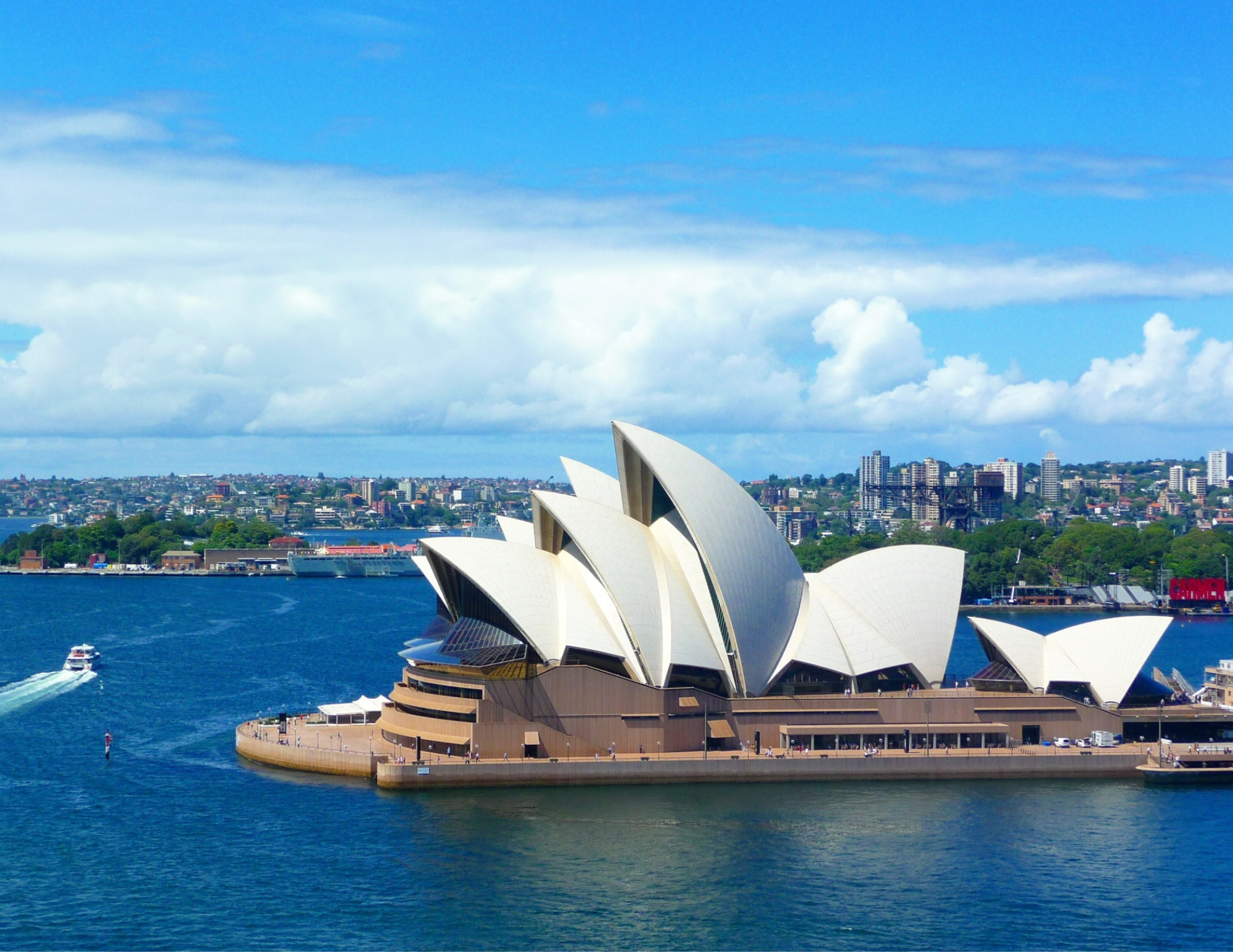
6. Oceania: The Sydney Opera House – Sydney, Australia
The Sydney Opera House is one of the most recognizable buildings of the 20th century. Completed in 1973, this architectural masterpiece designed by Danish architect Jørn Utzon is an iconic symbol of Australia’s cultural scene.
Why Visit?
The design of the Sydney Opera House, with its distinctive shell-like sails, is stunning. Whether you’re attending a performance or just admiring the structure from the outside, it’s a must-see for anyone interested in modern architecture.

7. Antarctica: The Shackleton’s Hut – Cape Royds, Ross Islands, Antarctica
Though not a traditional tourist destination, Shackleton’s Hut offers an extraordinary glimpse into history. Located at Cape Royds, this hut was used by Sir Ernest Shackleton’s Imperial Trans-Antarctic Expedition in 1907-1909. The site offers a fascinating insight into early 20th-century Antarctic exploration.
Why Visit?
Visiting Shackleton’s Hut is a journey into the history of polar exploration. The preserved relics inside the hut provide a rare look at the challenges faced by early explorers in one of the world’s harshest environments.
Tip: Click to visit virtually or check out other video tours online.
Conclusion: A World of Wonders
Each continent offers its own unique historical landmarks, representing the cultures, events, and civilizations that have shaped the world. From ancient wonders like the Pyramids of Giza and the Great Wall of China to modern icons like the Sydney Opera House, these landmarks tell stories of human achievement, struggle, and resilience. As you travel, whether near or far, take the time to visit these sites, as they provide not only a connection to the past but a deeper understanding of the world we live in today.
 ARIA ENATA
Leave a comment